Exercitation ullamco laboris nis aliquip sed conseqrure dolorn repreh deris ptate velit ecepteur duis.
Close

Get in touch
- Source Insurance, Global Reach, Cardiff, CF11 0SN
- [email protected]
- 02920 265265
- Monday to Friday: 8.30am to 5pm
- Source Insurance, Global Reach, Cardiff, CF11 0SN
- Support 02920 265265
Earth, Wind and Fire – Protecting Your Home from Summer’s Biggest Weather Risks
 Guide
Guide
Most people think of winter when it comes to weather-related home insurance claims, given the UK’s cold, wet conditions. But summer brings its own problems, like heatwaves, subsidence, thunderstorms, and fire risks.
In 2024, insurance companies paid a record £585 million for weather-related damage to UK homes and belongings, according to the Association of British Insurers (ABI).
As summers get hotter and less predictable, it’s important to know how to protect your home and belongings.
This guide explains the main risks from dry weather, subsidence, sudden summer storms, and fire hazards. It also gives practical steps to help you protect your property from these challenges.
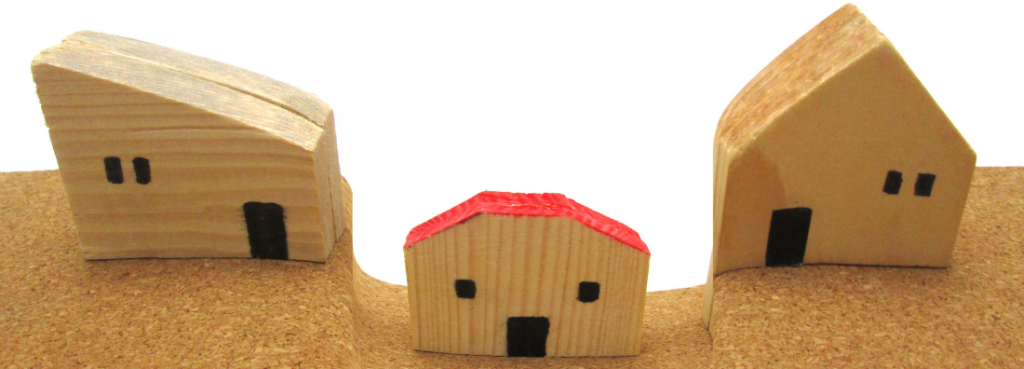
Earth – Dry Weather and Subsidence
Long spells of hot, dry weather can cause any clay soil beneath your home to shrink. This can lead to subsidence, which may harm your property’s foundations.
To spot subsidence, check for new cracks near doors and windows. If doors become stiff or don’t fit the frame, or if you see new creases in the wallpaper, these could be signs. While these signs are not always certain, it’s worth looking into them.
In the wake of a particularly dry spring in 2025, the ABI reported a total figure of £153 million in subsidence claims during the first half of the year. These claims helped roughly 9,000 homes recover from subsidence damage.
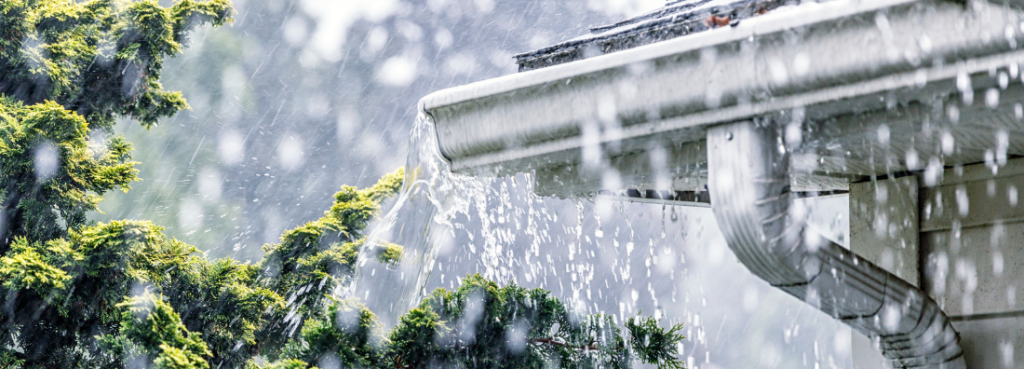
Wind – Unexpected Summer Storms
Thunderstorms can come quickly and bring strong winds that may damage your home, including roofs, fences, sheds, and other parts.
Before a storm, you can take a few simple steps to keep your property safe:
- Secure outdoor furniture like garden chairs and tables
- Check garden walls for damage
- Trim back overhanging tree branches that could affect your home
- Store loose items that could become projectiles
- Check gutters for blockages
If you need help, consider hiring a professional. Preparing ahead of time can save you a lot of trouble if damage happens.
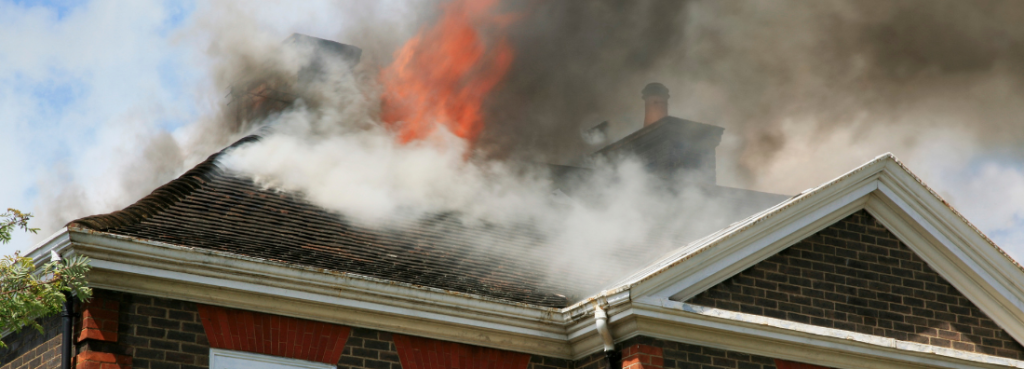
Fire – Staying Safe in the Heat
Accidental fires are more common during very hot weather, especially when people use barbecues, fire pits, or charge garden tools. Always follow safety instructions and never leave barbecues or fire pits unattended.
Keep these appliances away from flammable materials, such as fences, trees, sheds, and decking. Using disposable barbecues on dry grass or wood can also raise the risk of fire, so stay safe and protect your property.
Also, check your electrical appliances and extension leads to make sure they are not overloaded.

Is Your Home Insurance Ready For Summer?
Most home insurance policies cover storm damage, and some also protect against subsidence. But the details, like what is covered and the excess amount, can vary between insurers.
To make sure you are protected against subsidence and storm damage, check your policy details online, especially the sections on coverage and exclusions. You can also ask your insurance provider if you are unsure.
For more helpful guides, follow us on Facebook, Instagram, and TikTok. Explore the rest of our blog for more helpful guides like this one!