Exercitation ullamco laboris nis aliquip sed conseqrure dolorn repreh deris ptate velit ecepteur duis.
Close

Get in touch
- Source Insurance, Global Reach, Cardiff, CF11 0SN
- [email protected]
- 02920 265265
- Monday to Friday: 8.30am to 5pm
- Source Insurance, Global Reach, Cardiff, CF11 0SN
- Support 02920 265265
Autumn Property Checklist for Landlords: Is Your Rental Ready for Winter?
 Buy to let Insurance
Autumn has arrived. The heating is going back on, the evenings are getting darker, and those first really cold mornings will not be far away. Have you got your autumn property checklist for landlords ready?
For landlords, this is a good time to have a look around the property and make sure everything is ready for the colder months. An autumn check isn’t complicated, but spending a little time on maintenance now can save a lot of time, money, and stress later.
Here are seven things worth checking before winter sets in.
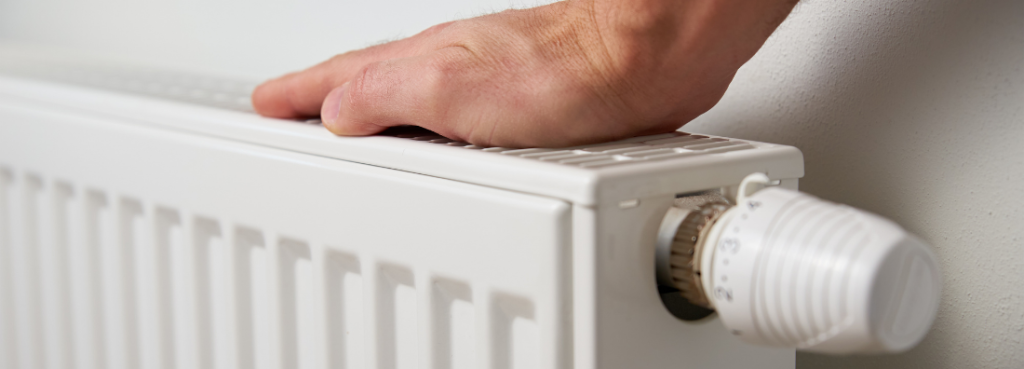
1) Check the Heating
Start with the boiler and heating system.
If the boiler is due for a service, get it booked in. Under section 11 of the Landlord and Tenant Act 1985, landlords must repair boilers, heating, water systems, gas appliances, pipes and ventilation. It’s much better to find and fix a fault early than when the temperature drops and your tenant suddenly has no heating.
Click here to view section 11.
It’s also worth asking tenants if they have noticed anything unusual. Perhaps a radiator isn’t heating properly, the boiler is making a strange noise, or the hot water isn’t as reliable as it should be. If the property uses a heat pump or another type of heating system, include it in your check.
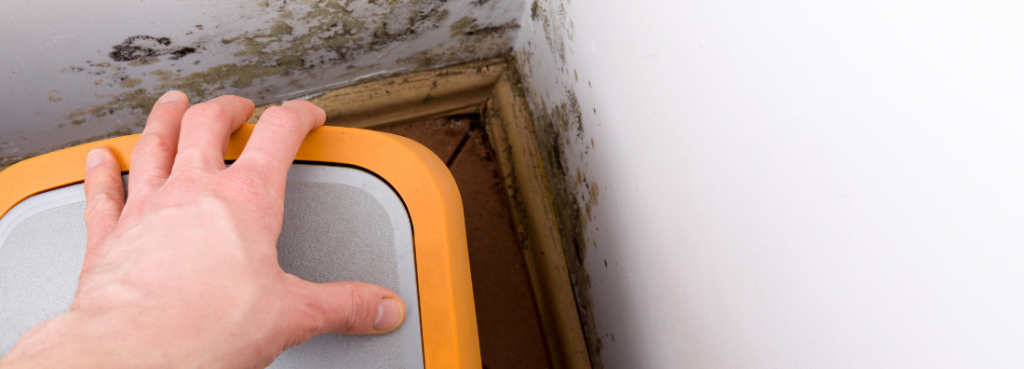
2) Keep An Eye Out for Damp and Mould
Awaab’s Law enters Phase 2 at the end of November 2026, following its implementation to protect UK tenants and their health. The following key deadlines will stand after Phase 2 comes into play:
- Investigate emergency danger and make safe within 24 hours
- Significant hazard investigation must be done within 10 working days
- Provide written summaries to tenants within 3 working days following an investigation
- Complete urgent safety works within 5 working days after investigation
- Commence longer-term remedial works within 12 weeks
- Alternative accommodation is required if safety work misses its deadline
To view the next phase of Awaab’s Law and the existing requirements, click here.
As homes are heated and windows are kept closed more often, condensation can become a problem. Kitchens, bathrooms, window frames and colder external walls are sensible places to look first.
According to Uswitch, more than 60% of UK residents have experienced condensation, mould or damp in a previous property, including 37% reporting mould specifically.
A third of those experiencing mould said paying for adequate heating was difficult at the time. 53% of those with mould problems believed it likely would’ve been reduced if their property was adequately heated. View Uswitch’s full report here.
Check behind furniture as well as the more obvious areas. If there are extractor fans in the kitchen or bathroom, make sure they are actually working. If you find mould, look into what is causing it rather than simply treating the surface.

3) Give the Gutters a Once-over
Autumn leaves and gutters are not a particularly good combination.
Leaves, moss and other debris can collect in gutters and stop water from draining properly. When that happens, rainwater can spill over and cause problems around the roofline and walls.
Have the gutters and downpipes checked and cleaned if necessary. While you are at it, look for anything obvious on the roof, such as damaged or missing tiles.
Some jobs are better left to a professional, so if you need a specialist to trim overhanging tree branches or clear your gutters, get quotes and find the right professional for you.
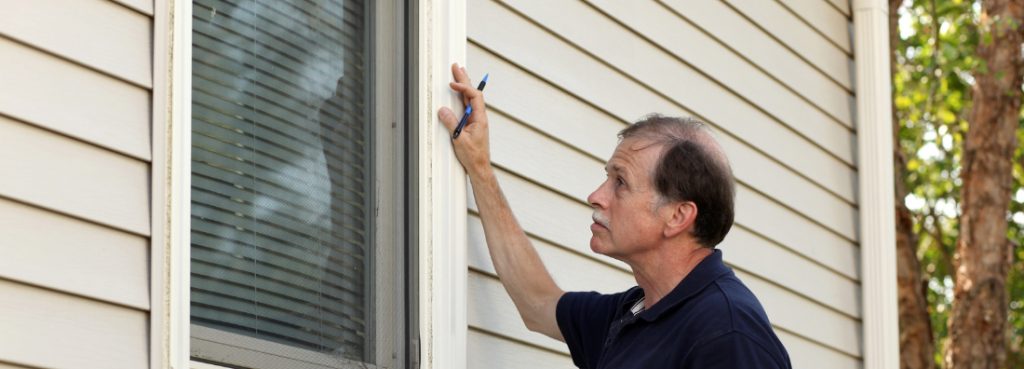
4) Look At the Windows and Doors
Small gaps around windows and doors can be very noticeable once the weather turns cold.
Check for damaged seals, draughts and any signs of water getting in. External doors should close properly, and locks and handles should be working as they should.
These checks don’t necessarily mean everything needs replacing. Sometimes a relatively small repair is all that is needed.

5) Don’t Forget the Pipes
Frozen pipes can cause serious damage if they burst, so check any exposed pipework before temperatures really start to drop.
Lofts, garages and other unheated parts of the property are the obvious places to check. Make sure vulnerable pipes have suitable insulation.
If the property will be empty over winter, make sure you have a plan to keep it protected. It is also worth checking the landlord insurance policy, as there may be conditions that apply when a property is unoccupied.
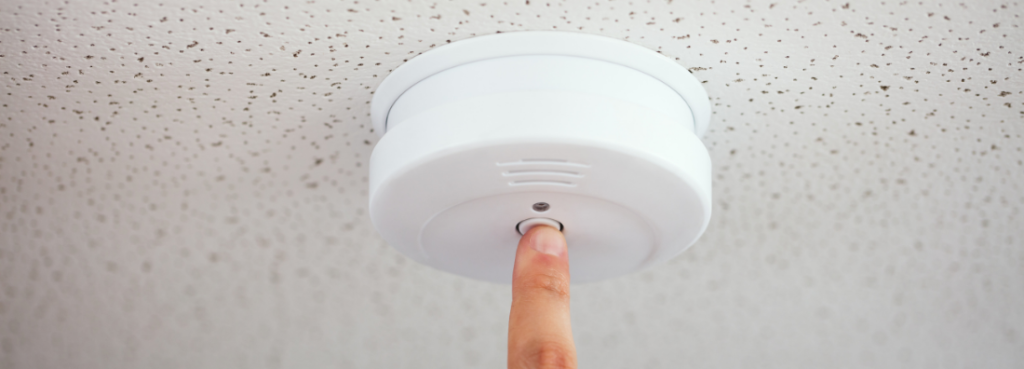
6) Test the Alarms
Don’t overlook smoke and carbon monoxide alarms.
Test them and replace batteries where needed. If an alarm is faulty or has reached the end of its useful life, arrange a replacement. Also make sure tenants know what to do if an alarm goes off and how to report a problem.

7) Ask Your Tenants If Everything Is Okay
A quick conversation with the tenant can be surprisingly useful.
They live in the property every day, so they may have noticed something easy to miss during a routine inspection. A dripping tap, small leak, draught or patch of condensation might not seem urgent, but it is much easier to deal with early.
With the PRS database launching in December 2026, landlords will be required to present valid safety and compliance certificates to remain registered. This legal compliance is another good reason to keep communication open. Small problems can be reported and addressed more consistently before they become expensive repairs and jeopardise a property’s status on the national register.

8) Accurate Cover for Properties is Essential
Along with these checks, having accurate insurance in your back pocket means you can focus on keeping tenants safe and your rental properties in peak condition. With plenty of legal changes expected over the next 12 months, add-ons like Legal Expenses Cover are more important than ever.
As bills and expenses continue to rise, clients are feeling the financial strain. In the worst-case scenario, they may be unable to pay their rent. To avoid these situations, Rent Guarantee Cover keeps you protected.
If your properties do face significant risks and hazards, having quality Buy-to-Let insurance lets you to have peace of mind around areas like boilers breaking, mould appearing and structural damage.
To read more useful guides like this one, view the rest of our blog here.
Recent Comments