Exercitation ullamco laboris nis aliquip sed conseqrure dolorn repreh deris ptate velit ecepteur duis.
Close

Get in touch
- Source Insurance, Global Reach, Cardiff, CF11 0SN
- [email protected]
- 02920 265265
- Monday to Friday: 8.30am to 5pm
- Source Insurance, Global Reach, Cardiff, CF11 0SN
- Support 02920 265265
Planning Home Improvements? The DIY Mistakes That Could Put Your Home Insurance at Risk
 Guide
Guide
From extensions and loft conversions to major renovations, here’s what you need to tell your insurer before work begins.
If you intend to make repairs, home improvements, extensions or renovation work within your home or within the boundary or to items we insure. This includes kitchen and bathroom replacements, garden work, or any work that involves electrical or plumbing adjustments or structural alterations. There’s a crucial step many homeowners forget… telling their insurer!
Failing to let your insurer know about renovations or DIY before they start can lead to restrictions on your cover, claims difficulties, or even policy cancellations.
Together, we’ll look at some of the things you need to consider and what you need to tell your insurer to avoid any unwanted surprises further down the line.

Why Home Improvements Can Affect Your Home Insurance
Before we jump into any of the details, we’ll explain why insurers care about DIY and renovations. Ultimately, changing areas of your home can increase rebuild costs, raise the risk of theft, widen your liability exposure, and increase the risk of damage to your property.
Any of these can affect the price or the likelihood that your insurers will cover a claim, so they need to be kept in the loop so they can reassess your cover if needed.

When Should You Tell Your Insurer About Building Work?
This may seem self-explanatory, but at Source, we often see homeowners forget to notify their insurer of any home improvements or renovations. For example, if you’ve increased the number of bedrooms following home improvement works, then continue to declare your home as having the incorrect number of bedrooms, it can affect the validity of your cover.
The simple answer is to tell your insurer before the home improvements start. Not during or after, as the changes to your property will already affect your insurance and the accuracy of your cover.

The Types of Home Improvements You Must Declare
Source’s insurers require some basic information that you must declare (if they’re relevant to the work that is about to be carried out) before the works start. These include:
- Projects Lasting More Than 24 Hours
- Cost of the works, including VAT
- Type of work
- Who is doing the work
- Start & end date of the work
- Will the property remain occupied, wind and watertight during the works
- Is there a contract in place between the client and the contractor
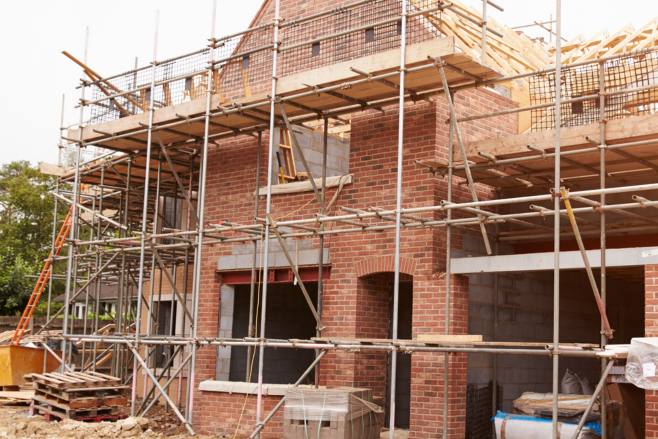
Why Your Contractor’s Insurance Matters
Contractors will need their own liability insurance to protect you and your property if something goes wrong during the home improvements. If they don’t have appropriate insurance in place, you could face additional costs or legal complications if an accident occurs or your property is damaged during the home improvements.

What Happens If You Don’t Tell Your Insurer?
There are a few different outcomes if you don’t tell your insurer about home improvements and DIY before they start. A claim may be repudiated, leading to financial loss for the policyholder, or the policy could be cancelled, leaving them without cover and making it difficult to obtain alternative cover in the future.

Final Thoughts
In summary, keep these points in mind for any DIY or home improvements projects, especially when hiring contractors:
- Contact your insurer before work starts
- Make sure your insurer has accepted your plans before starting the work
- Confirm the contractor has their own liability insurance in place
- Confirm there is a contract between the policy holder and contractor and the type of contract, e.g. verbal or written
- Planning permission is in place if it’s required before the works start
- Check the total cost of the work and the expected time frame
- Will the property remain occupied during the work
Your home deserves the best protection. Stay in touch with your insurer, communicate clearly, and make sure your cover is right for any DIY or home improvements.
To see more guides like this, explore the rest of our blog or follow us on Facebook, TikTok and Instagram.
Recent Comments